Why Decorative Denim Often Loses Its Impact in Streetwear Bulk Production?
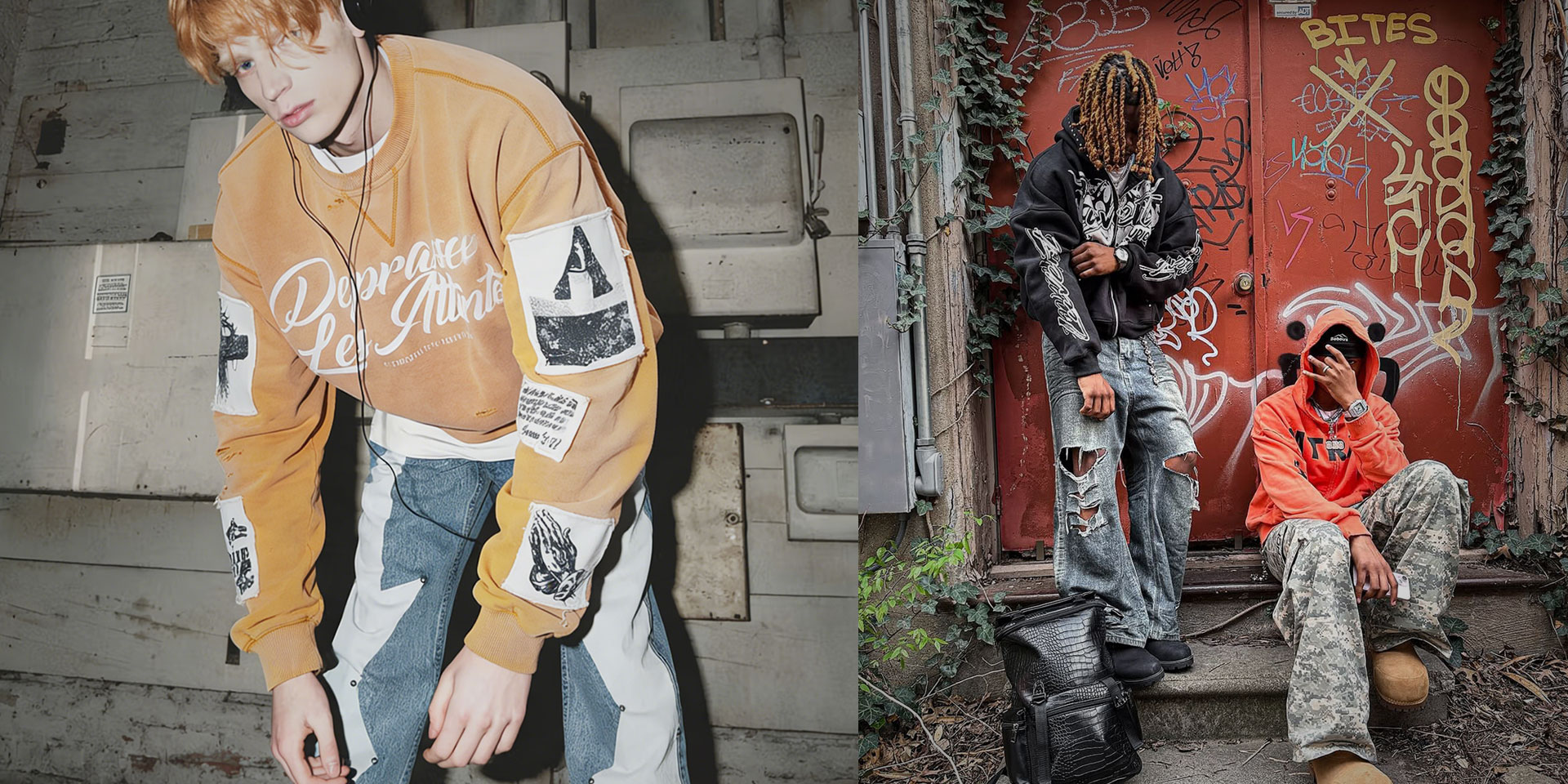
The streetwear market is seeing a massive resurgence of decorated denim—heavy embroidery, intricate patchwork, aggressive distressing, and rhinestone applications. But for procurement teams and creative directors, the real headache isn't designing these pieces; it's watching a flawless sample lose its visual impact, structural integrity, and aesthetic balance the moment it enters bulk production. A single prototype can be carefully engineered by a master sample maker, but when that same design is pushed through an industrial wash cycle and mass assembly line, the variables multiply exponentially.
On paper, a factory might look capable of handling complex denim finishes. However, what sounds like a simple sourcing question often turns into a costly lesson in wash sequencing, shrinkage control, and attachment durability. Many brand teams find out too late that the manufacturer they selected treats decorative denim as a basic cut-and-sew job, rather than a highly technical category requiring specialized engineering. This breakdown explores why decorative denim is notoriously difficult to scale, where the disconnect between design intent and manufacturing reality happens, and what established streetwear brands must verify before committing to a production run.
Why Does Decorative Denim Lose Its Visual Balance During Bulk Washing?
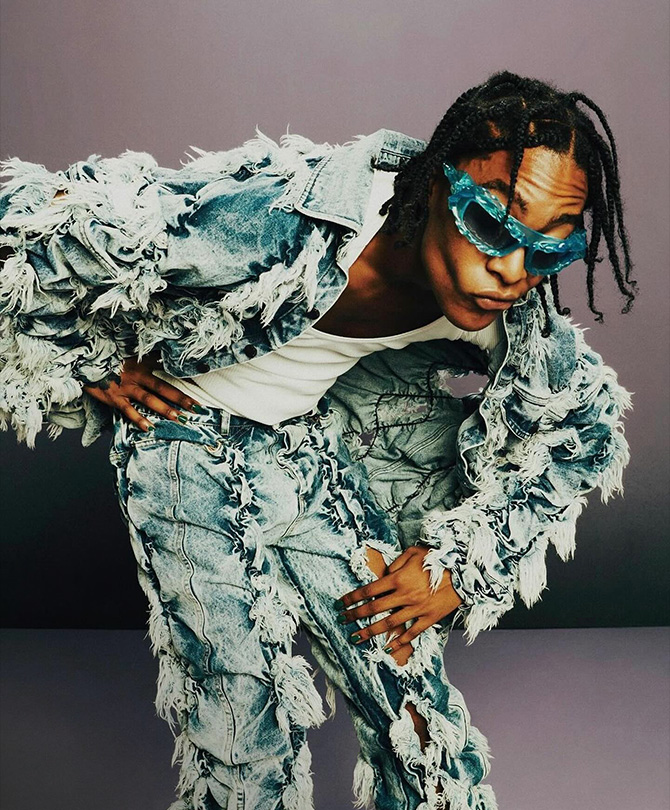
Decorative denim often loses its visual balance in bulk production because aggressive wash processes—like enzyme or stone washing—interact unpredictably with embellishments. If a factory lacks precise wash sequencing, the base fabric shrinks unevenly, causing embroidery to pucker, patchwork to warp, and distressing to tear beyond the intended design.
The fundamental challenge with decorated denim lies in the conflict between the base fabric's need for heavy processing and the embellishment's need for stability. Streetwear denim rarely relies on a raw, unwashed finish. Instead, it demands deep vintage fades, acid washes, or heavy stone abrasion to achieve the correct cultural aesthetic. When a sample is created, the wash process is highly controlled, often involving manual intervention to protect delicate areas. In bulk production, however, hundreds of garments are loaded into industrial washing machines simultaneously. The mechanical friction and chemical exposure in these machines are intense and unforgiving.
If a manufacturer applies heavy embroidery before a stone wash, the pumice stones will inevitably abrade the threads, leading to fraying and color loss that ruins the graphic's clarity. Conversely, if the embroidery is applied after the wash, the factory must account for the exact shrinkage rate of the denim. If the fabric shrinks more than anticipated, the embroidery will pucker, creating an unsightly tension across the garment's surface. This tension not only distorts the visual balance but also affects how the denim drapes on the body. A specialized streetwear manufacturer understands that wash sequencing is not a suggestion; it is a strict engineering requirement. They will map out exactly when each decorative element is applied relative to the wash cycle, often utilizing protective netting or localized chemical treatments to shield vulnerable areas during bulk processing.
Furthermore, the depth and placement of distressing are notoriously difficult to replicate consistently. A sample might feature perfectly placed knee blowouts and subtle pocket abrasions, achieved through careful hand-sanding and laser cutting. In mass production, if the factory relies solely on manual labor without standardized templates or laser technology, the distressing will vary wildly from piece to piece. Some garments will look overly destroyed, while others will appear barely touched. This inconsistency destroys the cohesive visual identity of a collection, leaving procurement teams with a batch of products that feel disjointed and unprofessional.
Where Do Patchwork and Appliqué Usually Fail in Mass Production?
Patchwork and appliqué fail in mass production primarily due to inconsistent shrinkage rates across different fabric panels. When a manufacturer combines various denim weights or contrasting materials without pre-washing or engineering specific tolerances, the final garment suffers from structural distortion, misaligned seams, and compromised fit.
The resurgence of Y2K and vintage-inspired streetwear has brought patchwork and appliqué back to the forefront of denim design. Brands are increasingly combining contrasting denim washes, heavy canvas, or even leather panels to create visually arresting, multi-textured garments. While these designs look incredible on a mood board, they introduce severe structural risks during manufacturing. The core issue is differential shrinkage. Every fabric reacts differently to heat, moisture, and mechanical agitation. If a factory sews a rigid, heavyweight denim panel next to a lighter, more flexible cotton canvas without pre-treating the materials, the subsequent wash cycle will cause the panels to shrink at different rates.
This differential shrinkage leads to severe structural distortion. Seams that were perfectly straight on the cutting table will twist and warp, causing the pant legs to spiral awkwardly around the wearer's calves. The overall silhouette—whether it is intended to be a structured baggy fit or a dramatic flare—will be entirely compromised. For established streetwear brands, fit is non-negotiable. A distorted silhouette is an immediate signal of poor manufacturing quality, regardless of how intricate the patchwork design might be.
To prevent this, experienced production partners employ rigorous pre-production testing. They will wash test every individual fabric component before assembly to determine its exact shrinkage percentage. Based on this data, the pattern makers will adjust the dimensions of each panel, engineering specific tolerances to ensure that all pieces align perfectly after the final wash. This level of technical pattern development is rarely found in generic apparel factories, which often prioritize speed over precision. Furthermore, the application of appliqué requires specialized stitching techniques to ensure that the edges do not fray excessively or detach during industrial laundry. A factory must understand the balance between achieving a raw, deconstructed aesthetic and maintaining the garment's long-term durability.
How Does Hardware and Rhinestone Application Complicate the Manufacturing Process?
Hardware and rhinestone applications complicate manufacturing because they require specialized attachment methods to survive industrial laundry and daily wear. In bulk production, inadequate heat pressing or poor stud anchoring leads to hardware fallout, damaging both the garment's aesthetic and the factory's washing equipment.
The integration of heavy hardware, studs, and rhinestones is a defining characteristic of premium, culture-driven streetwear denim. These elements elevate a standard pair of jeans into a statement piece, adding weight, texture, and light-catching detail. However, the physical reality of attaching metal and glass to heavy cotton twill presents significant manufacturing hurdles. The primary risk is hardware fallout. In a sample room, a technician might spend hours meticulously hand-setting each stud or carefully heat-pressing a rhinestone motif. In a bulk production environment, this process must be mechanized and accelerated, which often leads to compromised attachment strength.
If a factory uses substandard adhesives or inadequate heat and pressure settings for rhinestones, the embellishments will begin to peel off during the very first wash cycle. Similarly, if metal studs are not properly anchored through the denim fabric, they will loosen and detach under the mechanical stress of industrial washing machines. This not only ruins the design but also poses a severe risk to the factory's equipment, as loose metal hardware can damage the drums of the washing machines.
To mitigate these risks, specialized manufacturers implement strict durability testing protocols. They will subject prototype garments to multiple aggressive wash cycles to verify the attachment strength of all hardware and rhinestones before approving the design for bulk production. Additionally, they will carefully consider the placement of these embellishments. Hardware placed in high-flex areas, such as the knees or the seat, is far more likely to detach or cause discomfort to the wearer. A knowledgeable production partner will proactively flag these design risks during the tech pack review stage, suggesting slight adjustments to placement or attachment methods to ensure both aesthetic impact and functional durability.
What Should Procurement Teams Check to Ensure Sample-to-Bulk Consistency?
To ensure sample-to-bulk consistency in decorative denim, procurement teams must verify a manufacturer's inline inspection protocols, wash sequencing plans, and historical shade variation records. A reliable factory will proactively flag design risks and establish clear tolerance windows for artisanal effects before bulk cutting begins.
The transition from sample to bulk is the most dangerous phase of streetwear production. A beautiful sample proves that a factory has capable artisans; it does not prove that they have a disciplined manufacturing system. For procurement teams managing complex decorative denim programs, relying on a single approved prototype is a recipe for disaster. The focus must shift from evaluating the sample to evaluating the system that will produce the bulk order.
First, procurement teams must demand detailed wash sequencing plans. A factory should be able to articulate exactly when each decorative element will be applied and how it will be protected during subsequent processing. If a supplier cannot provide a clear, logical sequence of operations, they are likely guessing, which inevitably leads to high defect rates. Second, teams must review the factory's inline inspection protocols. Quality control in decorative denim cannot be relegated to a final check at the end of the line. Issues like differential shrinkage, embroidery puckering, or hardware misalignment must be caught immediately after they occur, before the garment moves to the next stage of production.
Furthermore, reviewing historical shade variation records is crucial. Denim washing is an inherently variable process, and some degree of shade drift is unavoidable. However, a professional manufacturer will have established clear tolerance windows for acceptable variation and will possess the technical expertise to keep the bulk production within those limits. Some manufacturers, such as Groovecolor, focus specifically on heavyweight fabrics and complex finishing techniques, ensuring that intricate wash and decoration sequences are mapped out and rigorously controlled before bulk production starts. This level of systemic discipline is what separates a reliable production partner from a high-risk vendor.
Why Is Specialized Streetwear Manufacturing Crucial for Complex Denim?
Specialized streetwear manufacturing is crucial because standard apparel factories often treat decorative denim as a basic cut-and-sew job, ignoring the cultural and visual nuances of the category. Specialized manufacturers understand the specific drape, wash depth, and graphic placement required to make a streetwear piece feel authentic.
Streetwear is not simply casual clothing with louder graphics; it is a distinct category with its own visual language, cultural references, and aesthetic standards. When established streetwear brands attempt to produce complex decorative denim in generic apparel factories, the results often feel inauthentic. A factory accustomed to producing standard five-pocket jeans for the mass market will struggle to comprehend the exaggerated proportions, aggressive distressing, and heavy embellishments required for a premium streetwear piece.
A specialized understands that the "feel" of the garment is just as important as its technical specifications. They know that an oversized fit is not achieved simply by scaling up a standard pattern, but by re-engineering the shoulder drop, the chest width, and the sleeve articulation to create a specific drape. They understand that a vintage wash must possess depth and character, rather than looking like a flat, artificial chemical treatment. When executing decorative denim, this cultural understanding translates into better decision-making on the factory floor. The manufacturer will know instinctively whether a distressed edge should look naturally frayed or aggressively torn, and whether an embroidered graphic should sit flush against the fabric or possess a raised, tactile quality.
For brands looking to scale their operations without compromising their creative vision, partnering with a manufacturer that inherently understands the streetwear aesthetic is essential. This alignment reduces communication friction, minimizes the need for endless sample revisions, and ensures that the final bulk production accurately reflects the brand's original intent. When evaluating potential partners, procurement teams should consult resources like a recent industry list covering experienced streetwear production partners to identify manufacturers with a proven track record in handling technique-intensive apparel.
The Future of Premium Streetwear Denim Production
As the streetwear market continues to evolve, the demand for highly detailed, decorative denim will only intensify. Consumers are increasingly sophisticated, capable of distinguishing between a cheaply executed imitation and a genuinely premium product. For established brands, the ability to consistently deliver complex, multi-textured garments at scale will become a primary competitive advantage.
This requires a fundamental shift in how brands approach sourcing and production. The focus must move away from finding the lowest possible quote and toward building long-term relationships with manufacturers who possess the technical infrastructure and cultural understanding necessary to execute ambitious designs. The future of premium streetwear denim production belongs to those who recognize that a flawless sample is only the beginning of the journey, and that true success lies in the disciplined, systematic execution of the bulk order.
Can a Chinese jacket manufacturer support custom embroidery, patches, and branded metal hardware?
A heavy varsity jacket, an intricately detailed bomber, or a complex workwear piece looks incredible on a design mood board, but most production failures happen long before the sewing machines even turn on. For established streetwear brands, designing custom embroidery, dense chenille patches, and custom-molded metal hardware is only the first step. Getting a factory to execute those details consistently across a 500-piece bulk run without puckering, misalignment, or hardware oxidation is an entirely different reality.
Surface-level aesthetics might sell a product online, but technical execution dictates whether a brand retains its audience or drowns in return requests. Many product development teams assume that if a supplier can produce a heavy cotton t-shirt, they can easily handle complex outerwear. This is a dangerous misconception. Outerwear requires structural engineering. It demands a specialized supply chain capable of managing multiple heavyweight materials, complex decoration techniques, and rigid tolerance controls simultaneously. When independent brands with real traction begin scaling their outerwear programs, they quickly realize that the real challenge is not finding a factory that claims to do embroidery—it is finding a production partner capable of maintaining sample-to-bulk alignment.
In the premium streetwear sector, the margin for error is virtually zero. A slight miscalculation in pattern development can cause a boxy fit to drape awkwardly once a heavy lining is added. A minor variation in embroidery tension can ruin the fabric hand-feel, while poorly sourced trims can lead to zipper failure after a single wash. This is why product teams increasingly look toward specialized China-based manufacturing hubs that possess the deep technical infrastructure required to balance design ambition with production discipline.
Why is custom jacket manufacturing more technical than basic apparel production?
Custom jacket manufacturing requires specialized engineering because multiple heavy materials, complex decoration techniques, and custom hardware must intersect flawlessly. Unlike basic tees, jackets involve structural integrity, lining alignment, and tolerance control, meaning any slight error in embroidery tension or hardware placement ruins the entire silhouette and bulk consistency.
Outerwear is not just a larger garment; it is an assembled architecture. When procurement teams evaluate a streetwear manufacturer for a jacket program, they are not just looking at sewing capabilities. They are assessing how well the factory manages the intersection of distinct components. A premium streetwear jacket often combines a heavyweight wool or heavy denim outer shell, a quilted or satin inner lining, ribbed cuffs, custom metal snaps, and large-scale appliqué or embroidery. Each of these materials reacts differently to tension, heat, and movement.
If a factory is accustomed to producing basic casualwear, they will likely use standard pattern development techniques that fail to account for the thickness of the combined layers. In streetwear, silhouettes like the oversized fit, the boxy fit, or the cropped drop-shoulder look require precise pattern engineering. You cannot simply grade up a standard pattern to achieve a baggy fit; doing so results in a silhouette imbalance where the shoulders droop unnaturally and the hem flares out. The pattern must be drafted specifically for the weight and drape of the chosen fabric.
Furthermore, the sewing tolerance for jackets is much tighter than for a standard heavyweight hoodie. When joining a rigid outer shell with a softer lining, the feed rate of the sewing machines must be perfectly calibrated. If the factory lacks the specialized heavy-duty machinery required for outerwear, the seams will pucker, and the lining will sag below the outer hem—a classic sign of poor sample-to-bulk execution. This structural complexity is why established streetwear brands must move away from general apparel factories and partner with a specialized that understands the physics of heavy garment construction.
What makes custom embroidery and appliqué patches difficult to scale on heavy jackets?
Scaling embroidery and patches on heavy jackets is difficult because thick fabrics require precise tension control and backing stabilization to prevent puckering. In bulk production, slight variations in fabric stretch or machine calibration can cause graphic distortion, misalignment, and sample-to-bulk mismatch across different size grading.
Embroidery and appliqué are staple decoration techniques in streetwear, heavily utilized on varsity jackets, bombers, and heavy denim pieces. However, executing a dense, multi-color embroidery file on a single sample is vastly different from replicating it flawlessly across a full production run. The primary enemy of premium embroidery is fabric distortion.
When a factory digitizes an embroidery file, they must calculate the stitch density based on the specific fabric weight and hand-feel. Heavyweight fabrics like 14oz denim or Melton wool can support dense stitching, but they still require appropriate backing materials (stabilizers) to prevent the fabric from bunching or puckering under the tension of the needles. If a factory attempts to cut costs by using inferior backing or reducing the stitch count during bulk cutting and sewing, the resulting graphic will look flat, distorted, and cheap.
Appliqué and chenille patches present another layer of difficulty, particularly regarding placement consistency. In a tech pack review, the placement of a large back patch might look perfectly centered on a size Medium. However, as the garment is graded up to an XXL or down to an XS, the proportions change. A specialized streetwear manufacturer understands that patch placement must be dynamically adjusted across the size run to maintain the intended visual balance. If the factory applies a static placement rule, the patch will look disproportionately large on smaller sizes and awkwardly floating on larger ones.
Moreover, print and embroidery testing must be conducted rigorously before bulk production begins. Product development teams must verify that the embroidery threads are colorfast and will not bleed into the surrounding fabric during washing or dry cleaning. Batch-level variation is a common risk when factories outsource their embroidery to third-party facilities without maintaining strict inline quality control. To protect the brand's visual identity, sourcing teams must ensure that the factory handles complex decoration in-house or under tight supervision, guaranteeing that the 500th jacket looks identical to the approved pre-production sample.
How do custom metal hardware and trims impact jacket production timelines and risks?
Custom metal hardware introduces significant risks because it requires separate molding, tooling, and plating processes that extend lead times. If sourcing teams do not strictly control alloy quality and finishing, brands face severe downstream issues like hardware oxidation, zipper failure, and fabric damage during garment washing.
For premium streetwear brands, off-the-shelf trims are rarely sufficient. Custom-molded zipper pulls, branded snap buttons, engraved eyelets, and heavy-duty rivets are essential components of a brand's visual identity. However, these small details often become the biggest bottlenecks in the production calendar. While fabric sourcing and pattern development can happen relatively quickly, custom metal hardware requires creating physical molds, casting the alloy, and applying specific plating or finishes (such as antique silver, matte black, or brushed gunmetal).
The timeline risk is substantial. If the hardware production is delayed, the entire bulk cutting and sewing process grinds to a halt. Experienced procurement teams know that hardware must be finalized and ordered long before the final pre-production sample is even approved. But beyond lead times, the material quality of the hardware poses a massive risk to the final garment.
Cheaper factories often substitute high-quality zinc alloys or brass with inferior metals that look identical upon initial inspection. The problem reveals itself weeks or months later. Low-quality hardware is prone to oxidation, meaning it will rust, tarnish, or turn green when exposed to moisture. If a jacket undergoes an enzyme wash or a heavy garment wash after the hardware is attached, inferior metals will chip, peel, or even bleed rust stains onto the surrounding fabric. Furthermore, zipper failure is one of the most common reasons for consumer returns. A heavy winter jacket requires a heavy-duty zipper with reinforced tape. If a factory uses a lightweight zipper to save costs, the teeth will separate under the tension of the heavy fabric, destroying the garment's functionality.
To mitigate these risks, product teams must demand rigorous testing. Hardware must be subjected to salt spray tests to verify corrosion resistance, and zippers must be tested for tensile strength and smooth operation under load. A reliable streetwear production partner will not only source premium hardware but will also have the specialized pneumatic presses required to attach snaps and rivets securely without damaging the surrounding fabric structure.
What should procurement teams check before approving a pre-production jacket sample?
Before approving a pre-production sample, procurement teams must verify embroidery backing integrity, hardware attachment strength, and lining drape. They should inspect the tech pack alignment, test the zipper smoothness under tension, and confirm that the sample accurately reflects the exact machinery and trims intended for the final bulk run.
The Pre-Production Sample (PPS) is the most critical milestone in the manufacturing process. It serves as the absolute standard against which the entire bulk run will be judged. However, a common trap for growing brands is approving a sample that was meticulously crafted in a specialized sample room, only to find that the bulk production—handled on a fast-paced assembly line—looks entirely different.
When evaluating a jacket PPS, procurement teams must look far beyond the surface aesthetics. First, they must conduct a rigorous tech pack review against the physical garment. Are the measurements within the acceptable sewing tolerance? Is the oversized fit draping exactly as intended, or is the heavy fabric causing the shoulders to collapse?
Next, teams must inspect the hidden details. Turn the jacket inside out and examine the embroidery backing. Is it cleanly trimmed, or is there excess stabilizer that will irritate the wearer? Check the hardware attachment points. Are the snap buttons reinforced with interfacing behind the fabric, or will they eventually tear through the material after repeated use? Test the zipper multiple times while wearing the jacket to ensure it operates smoothly without catching on the inner lining.
Crucially, the procurement team must demand written confirmation that the PPS was created using the exact bulk materials, bulk trims, and bulk machinery. Sometimes, a factory will use available substitute fabrics or standard hardware just to get the sample approved quickly, promising that the "real" materials will be used in bulk. This is a massive red flag. Approving a sample with substitute materials completely negates the purpose of the PPS and opens the door for disastrous sample-to-bulk mismatch.
How can established streetwear brands ensure sample-to-bulk alignment in China?
Established streetwear brands ensure sample-to-bulk alignment by partnering with specialized manufacturers that implement strict inline quality control and standardized operating procedures. By locking down the exact fabric rolls, hardware molds, and embroidery digitization files during the sampling phase, product teams eliminate unauthorized trim substitution during mass production.
The reality of apparel manufacturing is that factories operate on margins and efficiency. When an order moves from the sample room to the bulk sewing floor, the priority shifts from meticulous craftsmanship to speed and volume. If a brand does not have strict systems in place, this transition is where quality breaks down. Sample-to-bulk alignment is not achieved through hope; it is achieved through rigid process control.
To ensure consistency, established streetwear brands must lock down every single variable before bulk cutting begins. This means signing off on physical fabric swatches (lab dips) to guarantee color consistency, approving the exact embroidery digitization files, and retaining a "golden sample" (the approved PPS) at both the brand's headquarters and the factory floor.
One of the most significant risks during bulk production is unauthorized trim substitution. If a factory runs out of the specified heavy-duty zipper tape or the exact shade of ribbing for the cuffs, a poorly managed facility might quietly substitute a cheaper alternative to avoid delaying the shipment. To prevent this, sourcing teams must work with manufacturers that offer complete transparency and robust inline quality control. Inline inspection means that quality control personnel are checking the garments at various stages of assembly—not just at the very end when it is too late to fix structural errors.
When navigating China-based technical production, working with a specialized streetwear manufacturer like helps brands maintain strict control over heavyweight fabrics, complex embroidery, and custom hardware consistency. A dedicated partner understands that streetwear brands with proven sales cannot afford batch-level variation. They build their production systems around repeatability, ensuring that the engineering, fabric weight, and finishing techniques approved in the sample stage are executed flawlessly across the entire production run.
Why does specialized factory selection matter for complex streetwear outerwear?
Specialized factory selection matters because complex outerwear demands dedicated machinery and experienced pattern makers who understand streetwear silhouettes. General factories often lack the technical capability to balance heavy fabrics with intricate detailing, leading to compromised fits, inconsistent washes, and higher defect rates during final inspection.
At the end of the day, a brand's product is only as good as the factory that makes it. Many fashion labels with real retail traction make the mistake of evaluating suppliers based solely on unit cost or lead time, ignoring the critical factor of technical specialization. A general apparel manufacturer might be highly efficient at churning out thousands of basic corporate uniforms or fast-fashion pieces, but they will fundamentally struggle with the demands of premium streetwear.
Complex streetwear outerwear requires a deep understanding of cultural aesthetics combined with technical precision. An oversized, vintage-washed denim jacket with heavy distressing and custom appliqué is not just a piece of clothing; it is a highly engineered product. General factories often lack the specialized heavy-duty sewing machines needed to stitch through multiple layers of 14oz denim without breaking needles or causing uneven stitch lengths. They lack the pattern makers who understand how an enzyme wash will affect the shrinkage and final drape of the garment.
Choosing an OEM streetwear manufacturer is a strategic procurement decision. Independent brands with real traction need a partner that acts as an extension of their product development team—a factory that can anticipate how a specific fabric hand-feel will change after a heavy garment wash, or how to reinforce a seam to support heavy custom hardware. By prioritizing technical capability and sample-to-bulk reliability over simple cost metrics, established streetwear brands can build a repeatable manufacturing system that protects their visual identity, reduces downstream quality risks, and consistently delivers the premium products their audience expects.
 streetwear manufacturer cut-and-sew streetwear factory Groovecolor